
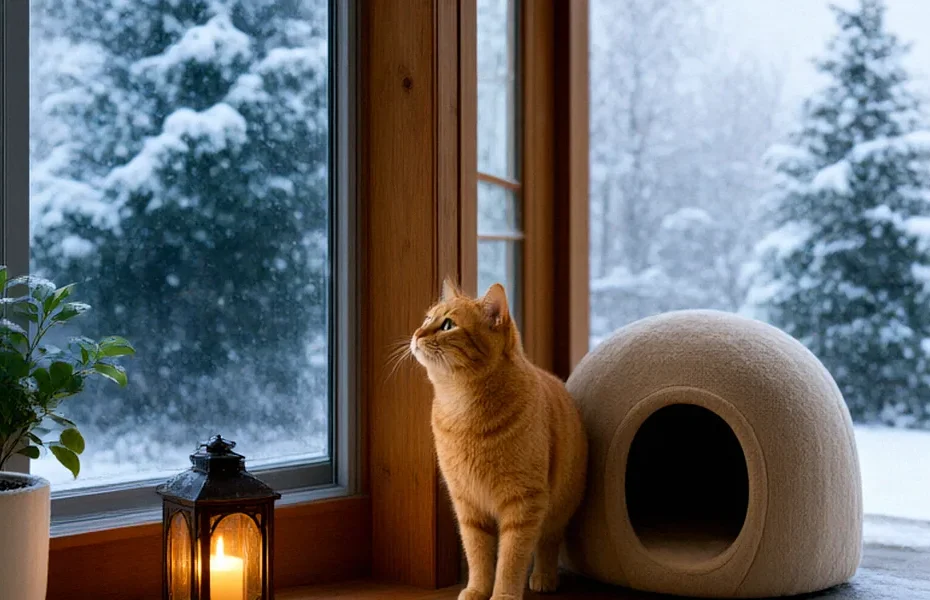
Winter Safety for Cats: A Canadian Guide to Keeping Your Feline Safe
The first time our cat stepped onto a snow-covered balcony, she lifted one paw, shook it, and stared at us like we’d betrayed her. That moment sums up why Canadian winters demand extra attention for our feline friends. From salt-crusted sidewalks to antifreeze puddles in the driveway, the season brings hazards that don’t exist the rest of the year. Whether your cat is strictly indoor, a supervised explorer, or a seasoned outdoor adventurer, this guide walks through what we’ve learned about keeping cats safe from December through March.
Understanding Winter Hazards for Cats
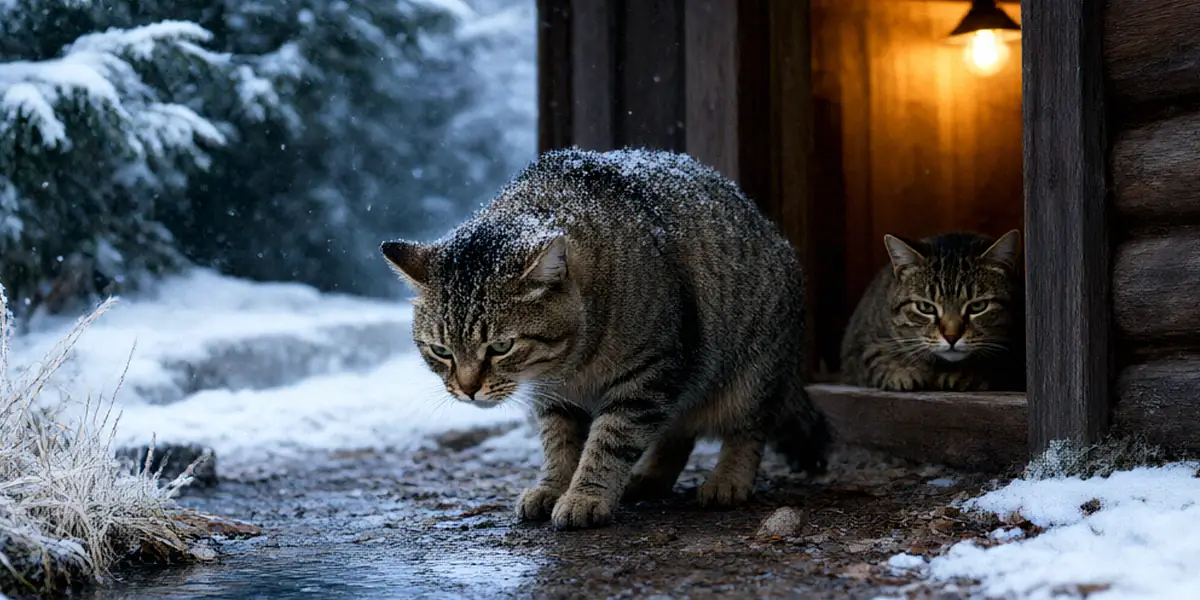
Canadian winters hit differently. Temperatures in Winnipeg or Edmonton can drop below -30°C with wind chill, and even milder cities like Vancouver deal with persistent damp cold that chills cats quickly. Our team has found that most winter emergencies fall into three categories: chemical poisoning, cold exposure, and household accidents.
Antifreeze Poisoning: A Hidden Threat
Antifreeze poisoning is a major winter hazard, and it’s one of the deadliest. Brands like Prestone contain ethylene glycol, which is lethal to cats. The problem is the taste — ethylene glycol is sweet, and cats are drawn to it. Even a teaspoon can cause kidney failure within 24 to 72 hours. Early signs include wobbliness, vomiting, and excessive thirst, but by the time symptoms appear, damage is often underway.
What makes this especially dangerous in Canada is how common antifreeze is. Driveways, parking garages, and apartment lots get treated throughout the winter. We recommend checking under your car regularly, cleaning up any spills immediately, and storing antifreeze containers sealed and out of reach. If you suspect your cat has ingested any, call your vet or the Pet Poison Helpline immediately — every minute matters.
Frostbite and Hypothermia: Recognizing the Signs
Cats are vulnerable to frostbite on their ears, tails, and paws — the areas with the least insulation. In extreme Canadian cold, frostbite can set in within minutes. Watch for pale, grey, or hard-feeling skin that later blisters or turns red and swollen. Hypothermia is more serious and progresses through shivering, lethargy, weakness, and eventually unconsciousness.
If you notice these signs, bring your cat inside immediately and wrap them in warm blankets. Do not use heating pads or hot water — rapid warming can cause burns. Call your vet right away.
Indoor Safety: Creating a Winter-Safe Home
Indoor cats face their own winter risks. We spend more time inside with heaters running, candles lit, and holiday decorations everywhere. A few small adjustments make a big difference.
Heating Sources and Burns
Space heaters, wood stoves, and fireplaces are obvious burn risks, but cats are drawn to warmth and often curl up dangerously close. Keep heaters behind barriers or choose models with automatic shut-off and cool-touch housings. Canadian Tire carries a solid range of pet gates and safety screens that work well for blocking access to fireplaces and baseboard heaters.
Also check that your cat can’t knock over a heater — a curious tail swipe has started more house fires than most people realize. Never leave a space heater running unattended in a room your cat can access.
Toxic Holiday Plants and Decorations
Poinsettias, lilies, mistletoe, and holly are all toxic to cats to varying degrees. Lilies in particular cause kidney failure in cats and should never be in a home with felines. Tinsel, ribbon, and string lights are tempting chew toys that can cause intestinal blockages. We suggest skipping tinsel entirely and securing cords with cable covers.
- Skip lilies, mistletoe, and holly — choose cat-safe alternatives like roses or orchids
- Anchor your Christmas tree to a wall or ceiling hook
- Avoid edible ornaments and chocolate advent calendars within reach
- Cover electrical cords with hard plastic cord protectors
- Keep candles on high shelves and never leave them burning unattended
Outdoor Safety: If Your Cat Goes Outside
Some cats thrive on outdoor time, and we don’t believe in banning it outright — but winter requires supervision and preparation. Even a five-minute bathroom break can turn dangerous in a Canadian cold snap.
Protecting Paws from Ice and Salt
Road salt and ice melt products burn paw pads and can be toxic if ingested during grooming. Pawz boots are a popular choice for protecting cats’ paws from ice and salt — they’re thin, reusable rubber booties that stay on well and let cats feel the ground. If your cat refuses boots, rinse and dry their paws thoroughly after every outing.
Keep your cat away from salted sidewalks and driveways. If you use ice melt at home, choose pet-safe options like Safe Paw or plain sand. Also steer clear of frozen ponds and lakes — cats are curious, and ice that looks solid can give way underfoot.
Emergency Plan for Lost Cats
Winter is the worst time for a cat to go missing. If your cat slips out, act fast:
- Search immediately within a one-block radius — cats often hide close to home
- Check under porches, in garages, and inside sheds
- Post on local Facebook groups and PawBoost
- Call your microchip company and update your contact info
- Leave a warm shelter and familiar-smelling item outside
Microchipping and a reflective collar with ID are non-negotiable for any cat that goes outdoors.
Nutrition and Hydration in Winter
Cold weather changes what cats need. Outdoor cats burn more calories staying warm, while indoor cats may drink less because the air is dry and water bowls feel cold.
Adjusting Food Portions
Outdoor cats may need 10 to 25 percent more calories in winter, depending on how much time they spend outside. Royal Canin and Hill’s Science Diet are trusted Canadian brands for winter nutrition, and both offer formulas tailored to different life stages and activity levels. Talk to your vet before making significant changes — indoor cats usually don’t need extra food and can gain weight quickly in winter.
Encouraging Water Intake
Dehydration is a real risk in winter, especially for cats prone to urinary issues. Try a pet fountain — moving water is more appealing. You can also add warm water or low-sodium broth to wet food, or offer multiple water stations around the house.
Health and Wellness Checks
Winter is a good time to book a vet visit, especially for senior cats or those with chronic conditions. Cold weather aggravates arthritis, and dry indoor air can worsen respiratory issues.
Grooming for Winter Coat Health
Regular brushing prevents matting, which traps moisture and reduces insulation. Long-haired cats need daily brushing in winter. Never shave your cat in cold months — their coat is their primary defense against the cold.
Managing Arthritis in Cold Weather
Arthritis pain increases in cold, damp weather. Provide warm, padded sleeping spots, low-entry litter boxes, and ramps to favourite perches. Your vet may recommend joint supplements or pain management. Canadian pet insurance providers like Petsecure and Trupanion offer coverage for winter-related illnesses, including arthritis flare-ups and cold exposure injuries — worth reviewing before the season hits.
Emergency Preparedness for Winter Storms
Canadian winter storms can knock out power for days. The Canadian Red Cross provides guidelines for pet emergency preparedness during winter storms, and we recommend reviewing them before the first big snowfall.
Building a Pet Emergency Kit
- At least 72 hours of cat food and bottled water
- Medications and a copy of prescriptions
- First-aid supplies including gauze, antiseptic, and a digital thermometer
- Litter, litter box, and waste bags
- Carrier, leash, and updated ID/microchip info
- Copies of vaccination records in a waterproof bag
- Blanket and a favourite toy for comfort
What to Do During a Power Outage
Keep cats in one room to conserve heat and make them easier to find. Never use a generator, BBQ, or camp stove indoors — carbon monoxide kills. If the temperature inside drops below 10°C, consider moving to a warming centre or a friend’s home, and bring your cat with you. Most Canadian municipalities allow pets at emergency shelters, but confirm ahead of time.
FAQ
How cold is too cold for a cat to go outside?
Generally, anything below -7°C is risky for extended outdoor time, and below -12°C is dangerous for any cat, even with a thick coat. Wind chill makes it worse. If you’re uncomfortable in a light jacket, your cat is too.
Can cats get frostbite on their paws?
Yes. Paws, ears, and tails are the most vulnerable. Boots like Pawz help, but limit outdoor time and check paws for redness, swelling, or pale skin after every outing.
Is pet-safe ice melt really safe for cats?
Most “pet-safe” ice melts use urea or glycols that are less toxic than rock salt but can still cause stomach upset if ingested. Rinse paws after walks and store all de-icers out of reach.
Does my indoor cat need a winter vet check?
Yes, especially seniors or cats with arthritis. Indoor cats still face dry air, less activity, and weight gain in winter. An annual exam catches issues early.
Does pet insurance in Canada cover winter injuries?
Many plans do. Petsecure and Trupanion, for example, typically cover frostbite, antifreeze poisoning treatment, and arthritis management, depending on your policy. Check your deductible and waiting periods before winter starts.
With a bit of planning, Canadian cat owners can make winter safe and comfortable for their feline companions. Stock your emergency kit, watch for antifreeze and salt, keep indoor hazards contained, and adjust nutrition and vet care as the season shifts. Share these tips with fellow cat owners in your neighbourhood — a quick conversation could prevent a serious emergency on the next cold snap.